
Quick answer
Premium lounge services carry higher fares, typically 50-65 AUD return depending on departure time and season. Children under 18 travel free on the ferry, though museum entry policies apply separately. All ferry tickets include the return journey, but museum admission is charged independently at the Berriedale entrance.
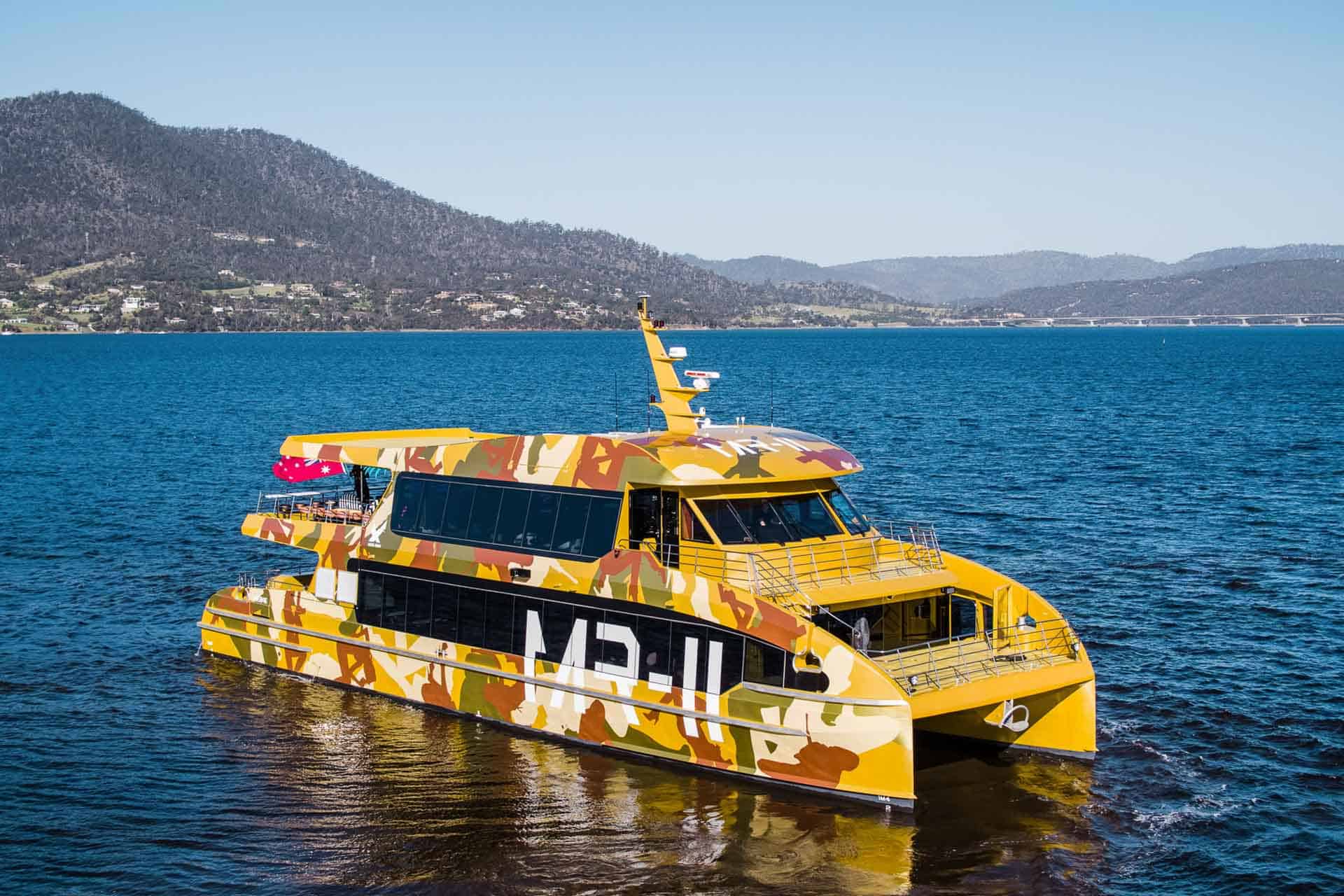
The Derwent River crossing to MONA operates under a pricing model that separates ferry passage from museum access, a distinction that catches first-time visitors who expect bundled admission. The ferry departs from Hobart's Brooke Street Pier and takes approximately 30 minutes upstream, threading between industrial heritage precincts and forested slopes that drop vertically into deep water. Understanding how much is the ferry from Hobart to MONA requires recognizing that the museum's founder, David Walsh, conceived the vessel as an extension of MONA's subversive curatorial vision rather than mere shuttle infrastructure. The Posh Pit lounge service commands premium fares because it transforms the commute into a layered art encounter, with interior design and beverage service calibrated to disorient before arrival. Standard deck passage offers no such theatrics, just efficient transport across the estuary with views of kunanyi/Mount Wellington's dolerite columns rising to the west. Ferry operators adjust seasonal pricing to manage demand during summer weekends and Tasmania's Dark Mofo festival period in June, when Hobart's waterfront accommodation reaches capacity. Booking ahead through the museum's official site locks in published rates and guarantees a seat on morning departures, critical for visitors planning to explore MONA's sprawling underground galleries before the 17:00 closing hour. The return sailing from Berriedale operates on a flexible schedule, departing when passenger loads justify it rather than fixed intervals, which means late-afternoon stragglers risk extended waits if they miss the primary outbound wave. The Derwent River ferry route to the Museum of Old and New Art functions as both logistical necessity and deliberate curatorial preamble, a 30-minute separation from Hobart's colonial grid that repositions visitors for immersion in Walsh's collection of ancient and contemporary provocations. Fare structures reward advance planning, and the cost of passage remains a separate transaction from museum admission despite their numerical alignment.
“The ferry to MONA operates under a pricing model that separates passage from museum access, a distinction that catches first-time visitors who expect bundled admission.”
Best Time to Visit When Checking How Much Is The Ferry From Hobart To Mona
To balance the ferry transit time with the need to view the galleries, the best arrival window is 10:00–14:00. Arriving within this timeframe ensures you have enough time to explore the museum before the final ferry departure.
Weekday mornings
Minimal congestion—
Visiting mid-week offers the most space to move through the galleries at your own pace. Plan to arrive by 10:00 to maximize your time before the final return ferry.
Summer months (Dec–Feb)
High volumeWarm, 17°C to 23°C
Expect larger crowds during these months, particularly on weekends. Early arrival within the 10:00–14:00 window is recommended to avoid ferry queues.
Winter months (Jun–Aug)
Lower volumeCool, 4°C to 12°C
Cooler weather often results in fewer visitors. Even with lower attendance, arriving by 14:00 is necessary to complete your visit before the last boat.
Verdict: The optimal slot is Wednesday or Thursday, arriving at 10:00 to ensure a full experience before the final ferry departure.
Accessibility Considerations for How Much Is The Ferry From Hobart To Mona
The site has significant elevation changes and limited step-free access routes.
Please contact the museum to confirm lift availability for specific galleries.
Accessible facilities are available on-site for visitor use.
Assistive technology options may be available by prior arrangement with staff.